
Menu
Menu
Menu
BOOK YOUR FREE STRATEGY CALL
BOOK YOUR FREE STRATEGY CALL
Property Platform Redesign for Roofing & Siding
Property Platform Redesign for Roofing & Siding
Property Platform Redesign for Roofing & Siding
How a market-adaptive redesign enabled 8-market expansion, slashed onboarding time by 73%, and secured Series B funding.
How a market-adaptive redesign enabled 8-market expansion, slashed onboarding time by 73%, and secured Series B funding.
How a market-adaptive redesign enabled 8-market expansion, slashed onboarding time by 73%, and secured Series B funding.

About the Project
About the Project
About the Project
Infinity Roofing and Siding's Property Management Platform Transformed for Multi-Market Scalability
Infinity Roofing and Siding's Property Management Platform Transformed for Multi-Market Scalability
Infinity Roofing and Siding's Property Management Platform Transformed for Multi-Market Scalability
Infinity Roofing and Siding partnered with Hashbyt to redesign and modernize their web platform using React, Next.js, Tailwind CSS, and a scalable component system to improve usability, speed, and lead-ready customer journeys.
Infinity Roofing and Siding partnered with Hashbyt to redesign and modernize their web platform using React, Next.js, Tailwind CSS, and a scalable component system to improve usability, speed, and lead-ready customer journeys.
Challenge
Challenge
Improving the user interface wasn't the most urgent issue; rather, it was the basic incapacity of the current architecture to adjust to various markets without requiring substantial custom development for each location.
Improving the user interface wasn't the most urgent issue; rather, it was the basic incapacity of the current architecture to adjust to various markets without requiring substantial custom development for each location.
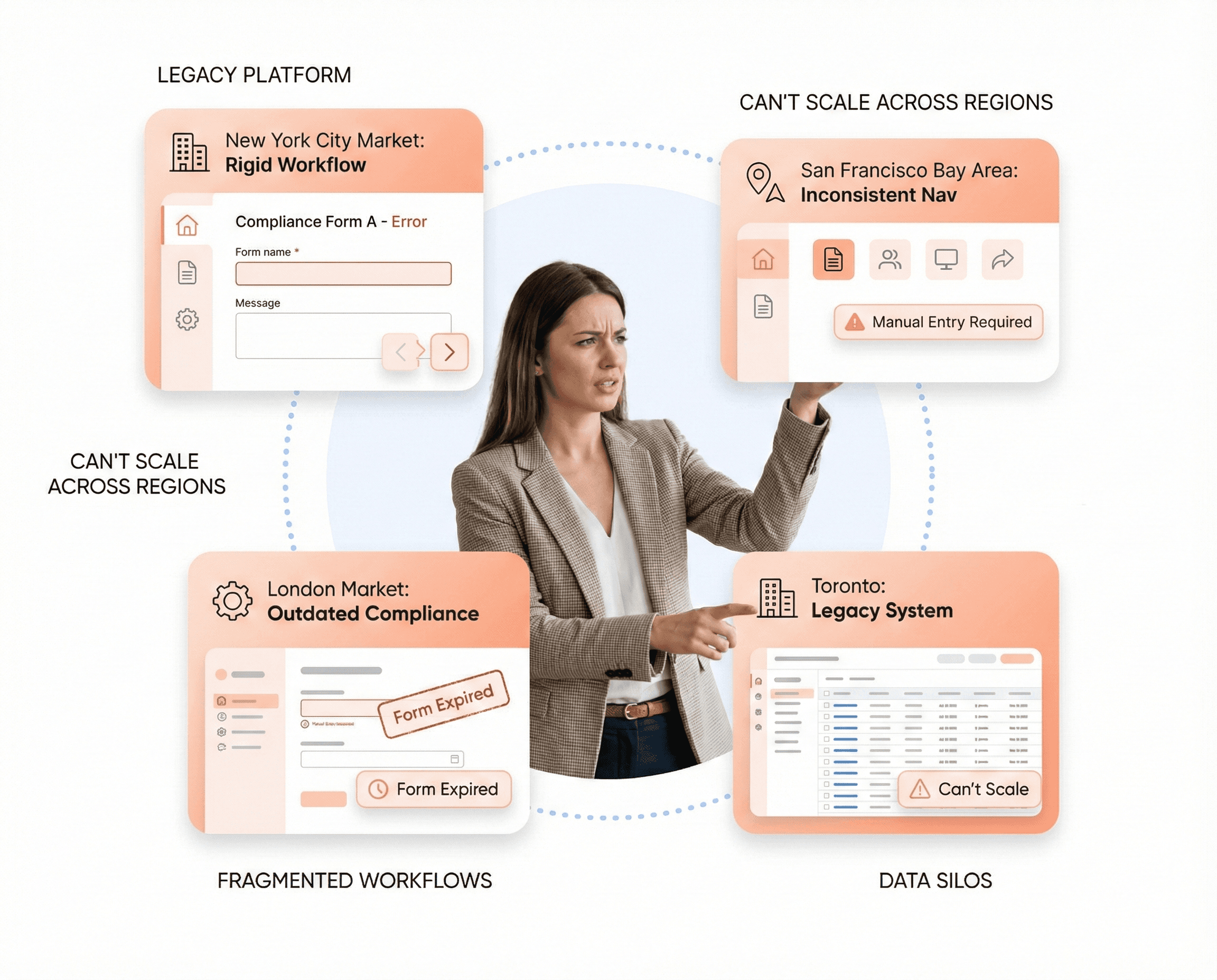
Unclear user journeys
The existing site experience did not guide users smoothly through high-intent actions like service discovery, quote requests, and contact flows. Key information was buried under long sections, making it harder for users to understand offerings quickly. The platform needed clearer content hierarchy, better navigation flow, and more structured CTAs across core pages.
Unclear user journeys
The existing site experience did not guide users smoothly through high-intent actions like service discovery, quote requests, and contact flows. Key information was buried under long sections, making it harder for users to understand offerings quickly. The platform needed clearer content hierarchy, better navigation flow, and more structured CTAs across core pages.
UI inconsistency
UI patterns differed across sections, which created a fragmented experience and reduced brand trust. Buttons, spacing, typography rhythm, and layouts were not consistent, making the site feel less polished. A standardized UI system was needed to keep the experience uniform and easier to maintain as the platform evolved.
UI inconsistency
UI patterns differed across sections, which created a fragmented experience and reduced brand trust. Buttons, spacing, typography rhythm, and layouts were not consistent, making the site feel less polished. A standardized UI system was needed to keep the experience uniform and easier to maintain as the platform evolved.
Slow mobile experience
A large part of the audience accessed the platform through mobile devices, but responsiveness and interaction smoothness were inconsistent. Heavy layouts and unoptimized UI behaviors increased friction, especially in forms and contact actions. The goal was to improve mobile usability and deliver faster, smoother interactions across key pages.
Slow mobile experience
A large part of the audience accessed the platform through mobile devices, but responsiveness and interaction smoothness were inconsistent. Heavy layouts and unoptimized UI behaviors increased friction, especially in forms and contact actions. The goal was to improve mobile usability and deliver faster, smoother interactions across key pages.
Hard to scale pages
Updating services, sections, and page layouts required repeated design and development effort. Components were not reusable, and changes could introduce inconsistencies across the website. A modular component-driven approach was required so the platform could evolve faster without accumulating UI drift.
Hard to scale pages
Updating services, sections, and page layouts required repeated design and development effort. Components were not reusable, and changes could introduce inconsistencies across the website. A modular component-driven approach was required so the platform could evolve faster without accumulating UI drift.
Limited funnel visibility
The team had limited visibility into where users were dropping off during key actions like quote requests and contact form submissions. Without reliable tracking signals, it was difficult to prioritize UX improvements with confidence. Better performance and behavioral visibility was required to support smarter iteration decisions.
Limited funnel visibility
The team had limited visibility into where users were dropping off during key actions like quote requests and contact form submissions. Without reliable tracking signals, it was difficult to prioritize UX improvements with confidence. Better performance and behavioral visibility was required to support smarter iteration decisions.
Challenge
Improving the user interface wasn't the most urgent issue; rather, it was the basic incapacity of the current architecture to adjust to various markets without requiring substantial custom development for each location.
Unclear user journeys
The existing site experience did not guide users smoothly through high-intent actions like service discovery, quote requests, and contact flows. Key information was buried under long sections, making it harder for users to understand offerings quickly. The platform needed clearer content hierarchy, better navigation flow, and more structured CTAs across core pages.
UI inconsistency
UI patterns differed across sections, which created a fragmented experience and reduced brand trust. Buttons, spacing, typography rhythm, and layouts were not consistent, making the site feel less polished. A standardized UI system was needed to keep the experience uniform and easier to maintain as the platform evolved.
Slow mobile experience
A large part of the audience accessed the platform through mobile devices, but responsiveness and interaction smoothness were inconsistent. Heavy layouts and unoptimized UI behaviors increased friction, especially in forms and contact actions. The goal was to improve mobile usability and deliver faster, smoother interactions across key pages.
Hard to scale pages
Updating services, sections, and page layouts required repeated design and development effort. Components were not reusable, and changes could introduce inconsistencies across the website. A modular component-driven approach was required so the platform could evolve faster without accumulating UI drift.
Limited funnel visibility
The team had limited visibility into where users were dropping off during key actions like quote requests and contact form submissions. Without reliable tracking signals, it was difficult to prioritize UX improvements with confidence. Better performance and behavioral visibility was required to support smarter iteration decisions.
Our Technology Stack
Our Technology Stack
Built on a Foundation of Modern Tech
From Figma prototypes to Cypress testing, our stack ensures speed and quality.

Frontend

Angular
React
Vue.js
Next.js
Vite
Webpack
Micro-Frontends

UI Libraries
Material UI
Tailwind
Bootstrap
Shadcn

Design Tool
Figma
Framer
Sketch
Adobe Creative Suite

Testing & QA Tools
Jest
React Testing Library
Cypress

State Management
Redux Toolkit
Zustand
TanStack Query
NGRX

Design Systems
Storybook
Design Tokens
CSS Variables
Monorepos

Performance
Lighthouse
Web Vitals
Sentry
LogRocket
New Relic

Compliance
WCAG 2.1 AA
ARIA
axe DevTools
Accessibility Audits

CI/CD & DevOps
GitHub Actions
Vercel
Netlify
Docker

Enterprise Security
OWASP
RBAC / Permission UI
Audit Logs UI
HIPAA / GDPR
Frontend
Angular
React
Vue.js
Next.js
Vite
Webpack
Micro-Frontends
UI Libraries
Material UI
Tailwind
Bootstrap
Shadcn
Design Tool
Figma
Framer
Sketch
Adobe Creative Suite
Testing & QA Tools
Jest
React Testing Library
Cypress
State Management
Redux Toolkit
Zustand
TanStack Query
NGRX
Design Systems
Storybook
Design Tokens
CSS Variables
Monorepos
Performance
Lighthouse
Web Vitals
Sentry
LogRocket
New Relic
Compliance
WCAG 2.1 AA
ARIA
axe DevTools
Accessibility Audits
CI/CD & DevOps
GitHub Actions
Vercel
Netlify
Docker
Enterprise Security
OWASP
RBAC / Permission UI
Audit Logs UI
HIPAA / GDPR
Solution
Solution
Solution
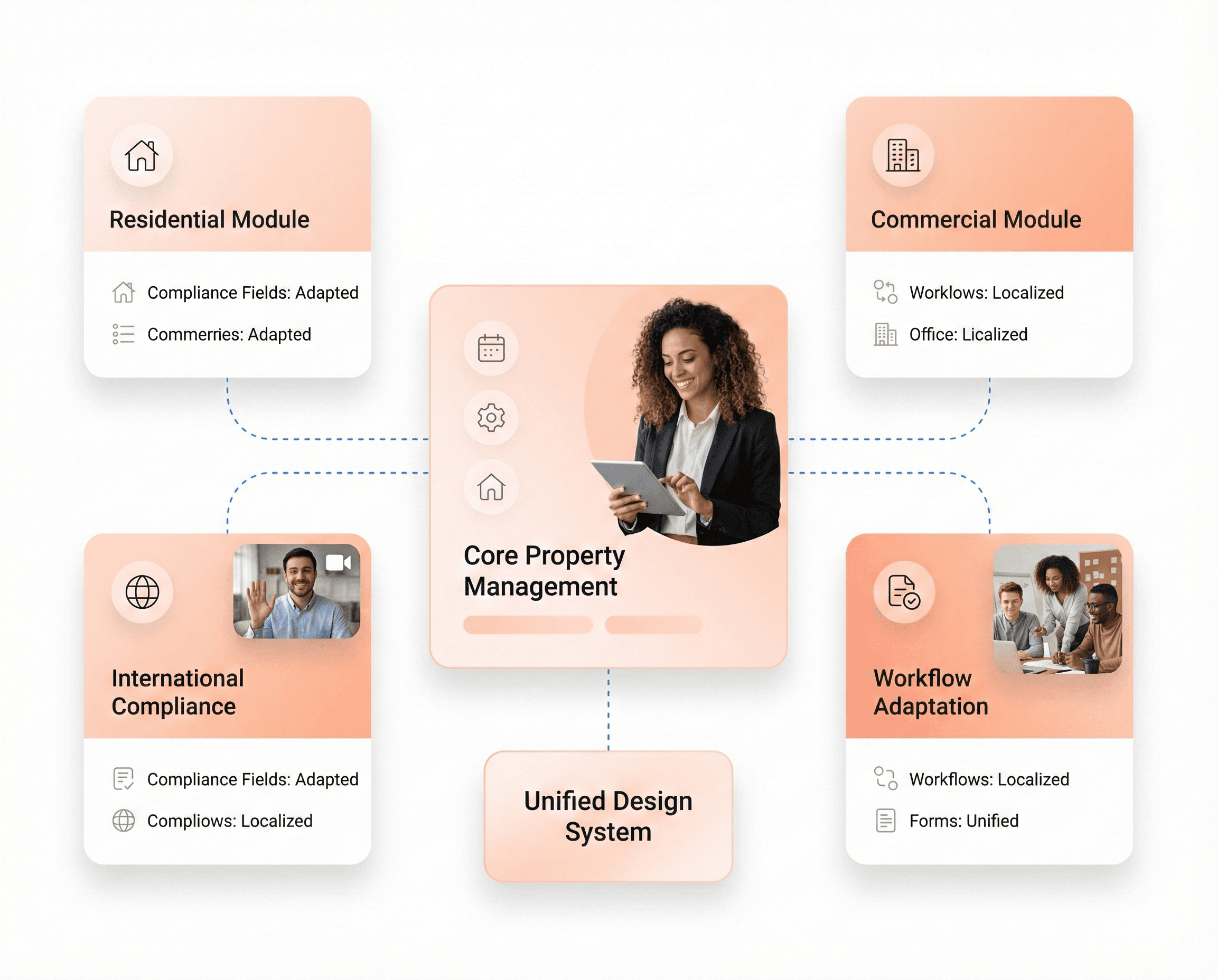
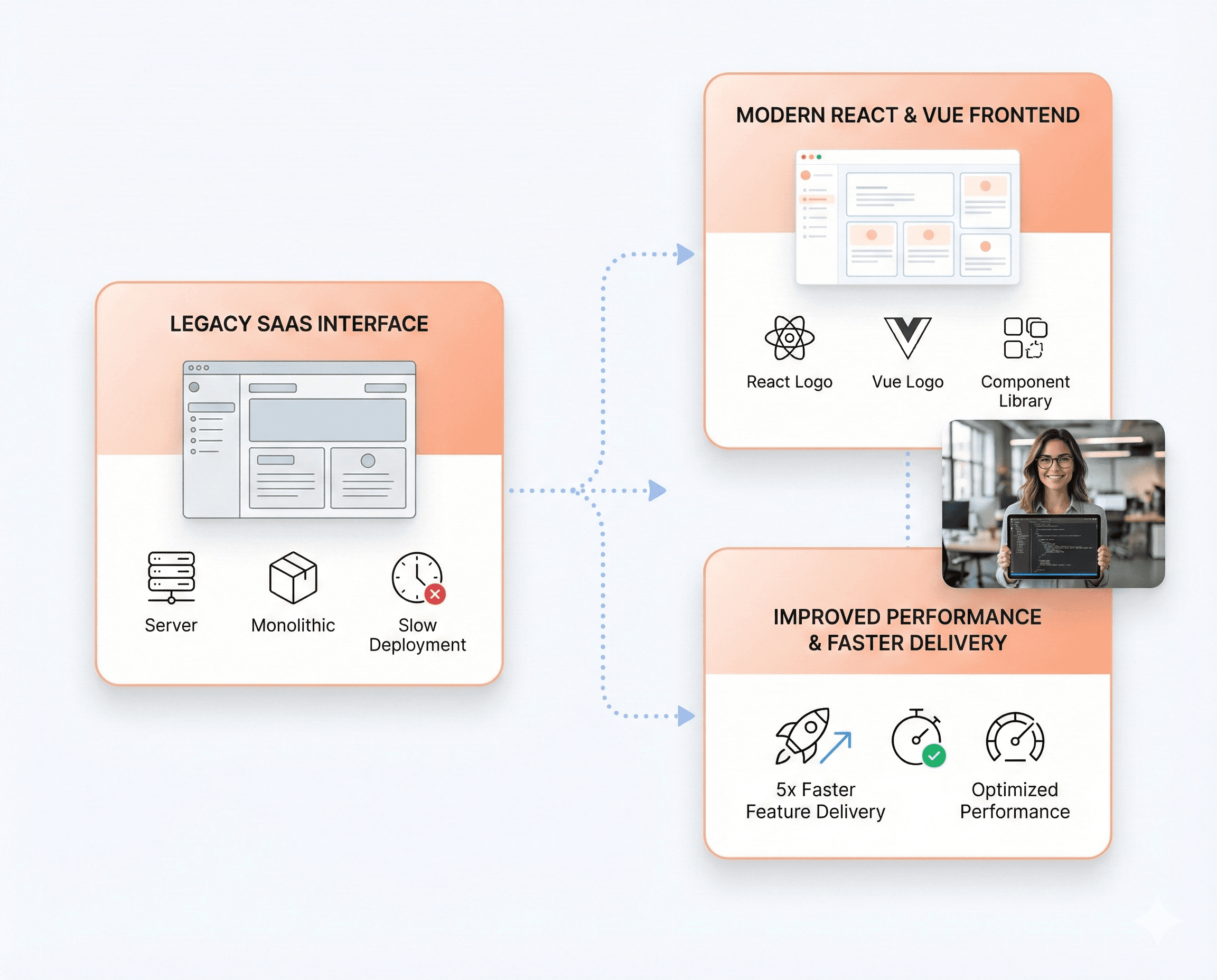
Hashbyt executed a complete frontend rebuild with market adaptability and operational efficiency as the core architectural principles, moving from rigid legacy code to a modern, scalable platform.
Hashbyt executed a complete frontend rebuild with market adaptability and operational efficiency as the core architectural principles, moving from rigid legacy code to a modern, scalable platform.
Hashbyt executed a complete frontend rebuild with market adaptability and operational efficiency as the core architectural principles, moving from rigid legacy code to a modern, scalable platform.
Conversion focused UX
A workflow-first UX redesign was applied to make key journeys easier to complete. Service pages were restructured with clearer hierarchy, stronger content grouping, and more predictable call-to-action placement. This reduced decision friction and helped users reach contact and quote actions faster, especially during high-intent browsing sessions.
Conversion focused UX
A workflow-first UX redesign was applied to make key journeys easier to complete. Service pages were restructured with clearer hierarchy, stronger content grouping, and more predictable call-to-action placement. This reduced decision friction and helped users reach contact and quote actions faster, especially during high-intent browsing sessions.
Conversion focused UX
A workflow-first UX redesign was applied to make key journeys easier to complete. Service pages were restructured with clearer hierarchy, stronger content grouping, and more predictable call-to-action placement. This reduced decision friction and helped users reach contact and quote actions faster, especially during high-intent browsing sessions.
Next.js rebuild
The platform was modernized using Next.js to create a cleaner frontend structure built for scalability and performance. Navigation and page behavior became smoother with a better-organized UI architecture. The rebuild also made future updates safer and easier to implement without breaking layout consistency.
Next.js rebuild
The platform was modernized using Next.js to create a cleaner frontend structure built for scalability and performance. Navigation and page behavior became smoother with a better-organized UI architecture. The rebuild also made future updates safer and easier to implement without breaking layout consistency.
Next.js rebuild
The platform was modernized using Next.js to create a cleaner frontend structure built for scalability and performance. Navigation and page behavior became smoother with a better-organized UI architecture. The rebuild also made future updates safer and easier to implement without breaking layout consistency.
Tailwind styling system
Tailwind CSS was introduced to standardize spacing, typography rhythm, layout structure, and responsive behavior across the platform. This reduced styling inconsistencies and prevented CSS conflicts over time. The result was a cleaner, more predictable UI system that stays consistent across devices and screen sizes.
Tailwind styling system
Tailwind CSS was introduced to standardize spacing, typography rhythm, layout structure, and responsive behavior across the platform. This reduced styling inconsistencies and prevented CSS conflicts over time. The result was a cleaner, more predictable UI system that stays consistent across devices and screen sizes.
Tailwind styling system
Tailwind CSS was introduced to standardize spacing, typography rhythm, layout structure, and responsive behavior across the platform. This reduced styling inconsistencies and prevented CSS conflicts over time. The result was a cleaner, more predictable UI system that stays consistent across devices and screen sizes.
Reusable components
A reusable component system was built so UI sections could be repeated reliably across the website without redesigning layouts each time. This increased development speed and reduced inconsistency across pages. Updates became easier to roll out while keeping the platform visually consistent and structurally scalable.
Reusable components
A reusable component system was built so UI sections could be repeated reliably across the website without redesigning layouts each time. This increased development speed and reduced inconsistency across pages. Updates became easier to roll out while keeping the platform visually consistent and structurally scalable.
Reusable components
A reusable component system was built so UI sections could be repeated reliably across the website without redesigning layouts each time. This increased development speed and reduced inconsistency across pages. Updates became easier to roll out while keeping the platform visually consistent and structurally scalable.
Performance tracking
Performance improvements were guided using Lighthouse and Core Web Vitals monitoring. This helped identify page-level speed issues and optimize UI behaviors that impacted mobile experience. The site became faster and more responsive, improving overall usability for real-world users.
Performance tracking
Performance improvements were guided using Lighthouse and Core Web Vitals monitoring. This helped identify page-level speed issues and optimize UI behaviors that impacted mobile experience. The site became faster and more responsive, improving overall usability for real-world users.
Performance tracking
Performance improvements were guided using Lighthouse and Core Web Vitals monitoring. This helped identify page-level speed issues and optimize UI behaviors that impacted mobile experience. The site became faster and more responsive, improving overall usability for real-world users.
Why they chose Hashbyt
Why they chose Hashbyt
Why they chose Hashbyt
"Hashbyt was highly responsive throughout the engagement and made us feel supported at every stage. They communicated clearly, handled feedback quickly, and stayed proactive whenever adjustments were needed. The team delivered a modern, clean experience that’s easier to navigate and more consistent across the platform. Overall, the process felt organized, collaborative, and dependable."

David Whitman
Vice President of Sales, Infinity Roofing and Siding LLC
"Hashbyt was highly responsive throughout the engagement and made us feel supported at every stage. They communicated clearly, handled feedback quickly, and stayed proactive whenever adjustments were needed. The team delivered a modern, clean experience that’s easier to navigate and more consistent across the platform. Overall, the process felt organized, collaborative, and dependable."
David Whitman
Vice President of Sales, Infinity Roofing and Siding LLC
"Hashbyt was highly responsive throughout the engagement and made us feel supported at every stage. They communicated clearly, handled feedback quickly, and stayed proactive whenever adjustments were needed. The team delivered a modern, clean experience that’s easier to navigate and more consistent across the platform. Overall, the process felt organized, collaborative, and dependable."
David Whitman
Vice President of Sales, Infinity Roofing and Siding LLC
Impact
Impact
Impact
Beyond metrics, the redesigned platform became a key differentiator that helped secure Series B funding, with investors specifically highlighting the scalable UX as a competitive advantage.
Beyond metrics, the redesigned platform became a key differentiator that helped secure Series B funding, with investors specifically highlighting the scalable UX as a competitive advantage.
Beyond metrics, the redesigned platform became a key differentiator that helped secure Series B funding, with investors specifically highlighting the scalable UX as a competitive advantage.
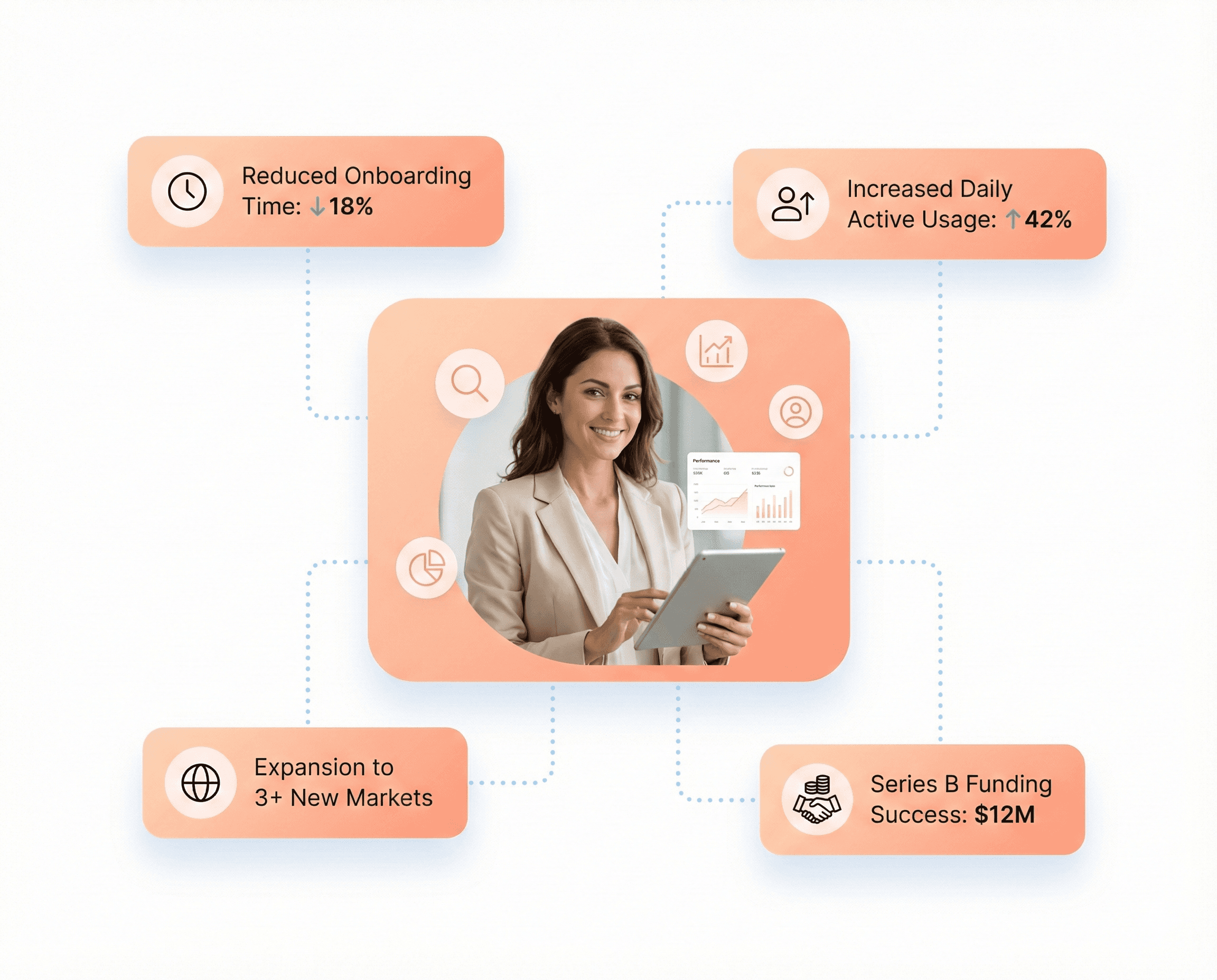
Faster lead flows
Users could move from browsing services to taking action with fewer steps. Contact and quote flows became easier to reach and complete. This improved conversion readiness across the platform.
Faster lead flows
Users could move from browsing services to taking action with fewer steps. Contact and quote flows became easier to reach and complete. This improved conversion readiness across the platform.
Faster lead flows
Users could move from browsing services to taking action with fewer steps. Contact and quote flows became easier to reach and complete. This improved conversion readiness across the platform.
More consistent UI
Standardized components reduced design drift and improved UI uniformity across the site. The platform looked more polished and cohesive. This increased trust and improved the perceived quality of the brand experience.
More consistent UI
Standardized components reduced design drift and improved UI uniformity across the site. The platform looked more polished and cohesive. This increased trust and improved the perceived quality of the brand experience.
More consistent UI
Standardized components reduced design drift and improved UI uniformity across the site. The platform looked more polished and cohesive. This increased trust and improved the perceived quality of the brand experience.
Better mobile UX
Responsive behavior improved across key pages, and mobile interactions became smoother. Forms and call-to-action areas became easier to use on smaller screens. This reduced friction for on-the-go users.
Better mobile UX
Responsive behavior improved across key pages, and mobile interactions became smoother. Forms and call-to-action areas became easier to use on smaller screens. This reduced friction for on-the-go users.
Better mobile UX
Responsive behavior improved across key pages, and mobile interactions became smoother. Forms and call-to-action areas became easier to use on smaller screens. This reduced friction for on-the-go users.
Faster site updates
With modular UI components in place, platform updates became easier to ship without breaking consistency. New service changes and content edits could be implemented faster. Maintenance became simpler and more predictable over time.
Faster site updates
With modular UI components in place, platform updates became easier to ship without breaking consistency. New service changes and content edits could be implemented faster. Maintenance became simpler and more predictable over time.
Faster site updates
With modular UI components in place, platform updates became easier to ship without breaking consistency. New service changes and content edits could be implemented faster. Maintenance became simpler and more predictable over time.
Strong responsiveness
Execution stayed smooth across design and development phases with consistent communication throughout the engagement. Feedback cycles were handled quickly without losing momentum. The client felt supported end-to-end, from UX direction to final delivery.
Strong responsiveness
Execution stayed smooth across design and development phases with consistent communication throughout the engagement. Feedback cycles were handled quickly without losing momentum. The client felt supported end-to-end, from UX direction to final delivery.
Strong responsiveness
Execution stayed smooth across design and development phases with consistent communication throughout the engagement. Feedback cycles were handled quickly without losing momentum. The client felt supported end-to-end, from UX direction to final delivery.
Our services
Our services
Our services
SaaS Experience. Built on Data, Driven by AI.
SaaS Experience. Built on Data, Driven by AI.
SaaS Experience. Built on Data, Driven by AI.
We turn your vision into high-performance, user-loved SaaS products.
More Projects




Built on a Foundation of Modern Tech
From Figma prototypes to Cypress testing, our stack ensures speed and quality.
Our Technology Stack
Our Technology Stack
Frontend
Angular
React
Vue.js
Next.js
Vite
Webpack
Micro-Frontends
UI Libraries
Material UI
Tailwind
Bootstrap
Shadcn
Design Tool
Figma
Framer
Sketch
Adobe Creative Suite
Testing & QA Tools
Jest
React Testing Library
Cypress
State Management
Redux Toolkit
Zustand
TanStack Query
NGRX
Design Systems
Storybook
Design Tokens
CSS Variables
Monorepos
Performance
Lighthouse
Web Vitals
Sentry
LogRocket
New Relic
Compliance
WCAG 2.1 AA
ARIA
axe DevTools
Accessibility Audits
CI/CD & DevOps
GitHub Actions
Vercel
Netlify
Docker
Enterprise Security
OWASP
RBAC / Permission UI
Audit Logs UI
HIPAA / GDPR
Frontend
Angular
React
Vue.js
Next.js
Vite
Webpack
Micro-Frontends
UI Libraries
Material UI
Tailwind
Bootstrap
Shadcn
Design Tool
Figma
Framer
Sketch
Adobe Creative Suite
Testing & QA Tools
Jest
React Testing Library
Cypress
State Management
Redux Toolkit
Zustand
TanStack Query
NGRX
Design Systems
Storybook
Design Tokens
CSS Variables
Monorepos
Performance
Lighthouse
Web Vitals
Sentry
LogRocket
New Relic
Compliance
WCAG 2.1 AA
ARIA
axe DevTools
Accessibility Audits
CI/CD & DevOps
GitHub Actions
Vercel
Netlify
Docker
Enterprise Security
OWASP
RBAC / Permission UI
Audit Logs UI
HIPAA / GDPR